Introduction
China’s southwest region is home to two of the country’s most fascinating cities: Chongqing (the “Mountain City”) and Chengdu (the “Land of Abundance”). Just 1.5 hours apart by high-speed train, these cities offer dramatically different experiences: Chongqing dazzles with its dramatic skyline, spicy hotpot, and unique 3D geography, while Chengdu charms with its laid-back lifestyle, adorable giant pandas, and rich cultural heritage.
This guide is designed specifically for international travelers, with practical tips, English-friendly recommendations, and essential information to help you create your own perfect itinerary.
Best Time to Visit
- March-May & September-November: Ideal weather with mild temperatures and less rain
- Summer (June-August): Extremely hot and humid in both cities (avoid if possible)
- Winter (December-February): Cool and damp, but fewer crowds and lower prices
Chongqing: The Mountain City
Built on cliffs and hills where roads go over buildings and elevators replace stairs, Chongqing offers one of the most unique urban landscapes in the world.
Must-See Attractions
- Hongyadong
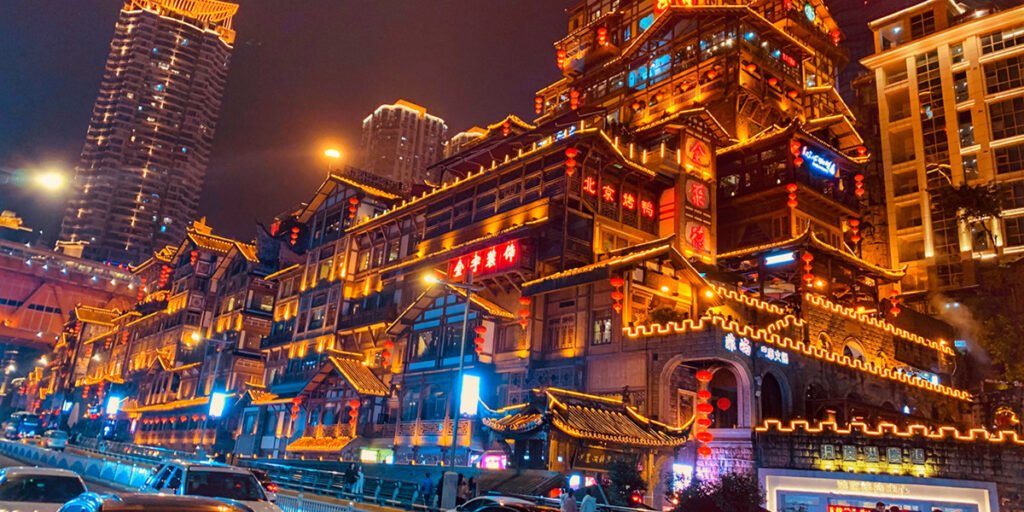
The most iconic spot in Chongqing, an 11-story stilt-house complex built into a cliff. Best visited at night when thousands of lights illuminate the buildings. Take photos from the opposite riverbank (Qiansimen Bridge) for the classic view. Free admission, open 24 hours.
- Yangtze River Cable Car
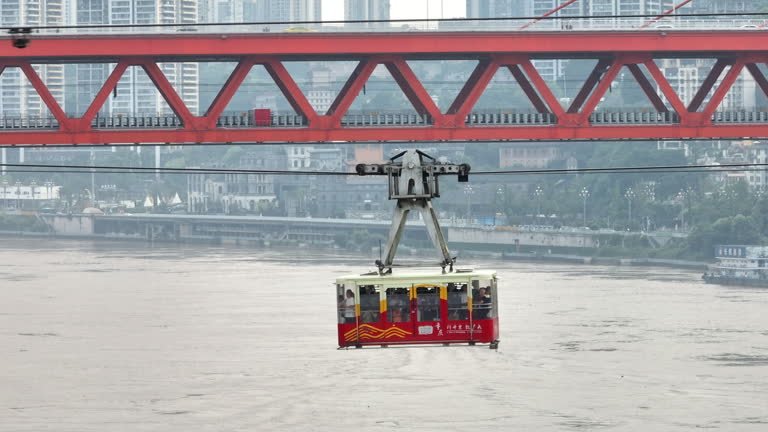
A must-do experience! Ride a cable car over the Yangtze River for amazing aerial views of the city. Go early (before 9 AM) to avoid long lines. Tickets: ¥20 one-way, ¥30 round-trip.
- Liziba Station
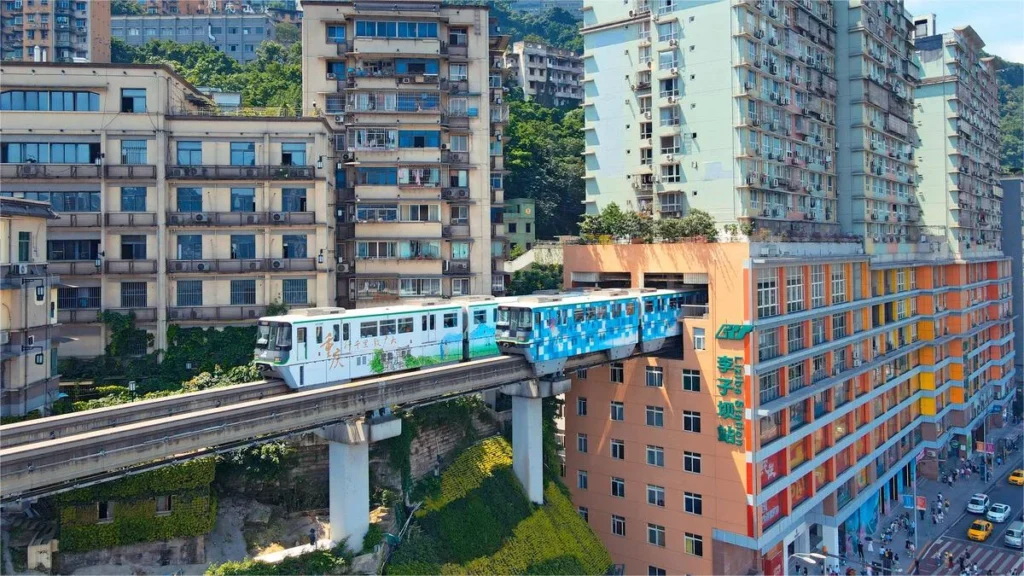
Famous for the light rail that runs through a 19-story residential building. The viewing platform below the station offers the perfect photo spot. Trains pass every 5-10 minutes, free to watch.
- Chaotianmen Square
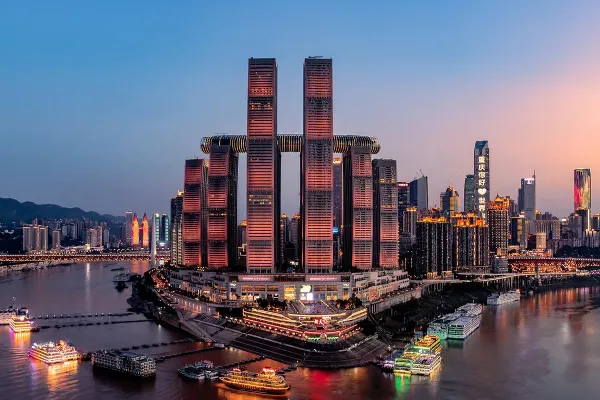
Where the Yangtze and Jialing rivers meet. Board a night cruise here to see Chongqing’s spectacular skyline illuminated. Cruise tickets: ¥150-300, departs 7:30-9:30 PM.
- Ciqikou Ancient Town
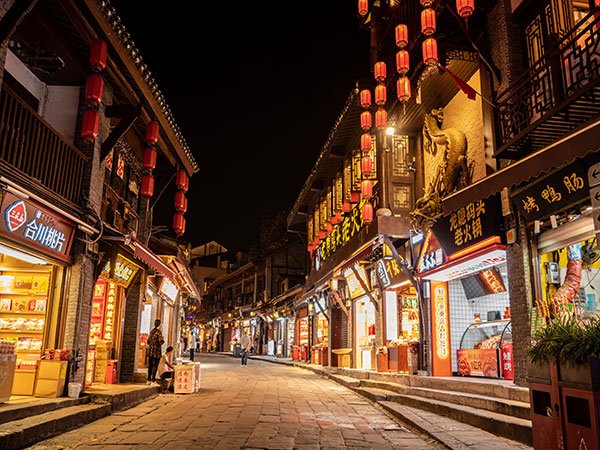
A 1,000-year-old traditional town with narrow streets, old buildings, and local craft shops. Best visited in the morning before the crowds arrive. Free admission.
- Jiefangbei Pedestrian Street
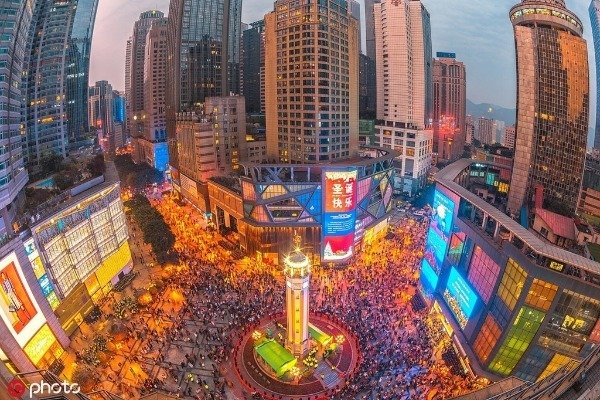
Chongqing’s main shopping and entertainment district, centered around the People’s Liberation Monument. Great for people-watching and trying street food.
- Chongqing Food Guide
Chongqing is the birthplace of Sichuan hotpot – the spiciest food in China!
Signature dishes
- Chongqing Hotpot (try the “mild” option first!)
- Spicy Chicken (Laziji)
- Chongqing Noodles (Xiao Mian)
- Boiled Fish with Pickled Cabbage (Suan Cai Yu)
English-friendly restaurants
- Haidilao Hotpot: World-famous chain with excellent service, English menus, and picture cards for ordering
- Pepper Lunch: Casual Sichuan cuisine with picture menus
- Ciqikou Ancient Town: Many street food vendors with picture signs
Practical Chongqing Info
Transportation:
- Metro: Extensive system with English signs and announcements
- Didi (Chinese Uber): Download the app and add your international credit card
- Taxis: Inexpensive, but drivers rarely speak English (show your destination in Chinese)
Accommodation:
- Best areas: Jiefangbei or Hongyadong (central location)
- Mid-range: ¥300-600/night for a 3-4 star hotel
- Budget: ¥150-300/night for hostels and guesthouses
Chengdu: The Land of Abundance
The laid-back capital of Sichuan province, famous for giant pandas, tea culture, and a slow-paced lifestyle that makes it one of China’s most livable cities.
Must-See Attractions
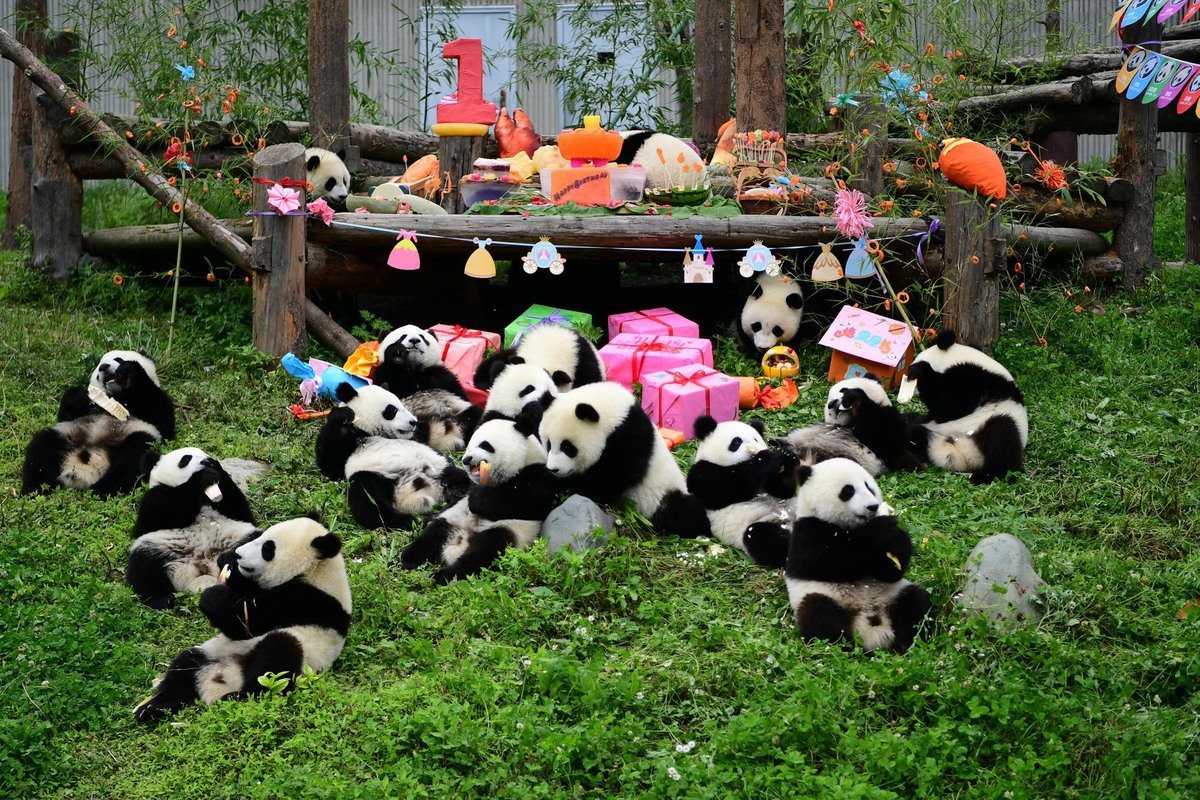
- Chengdu Research Base of Giant Panda Breeding
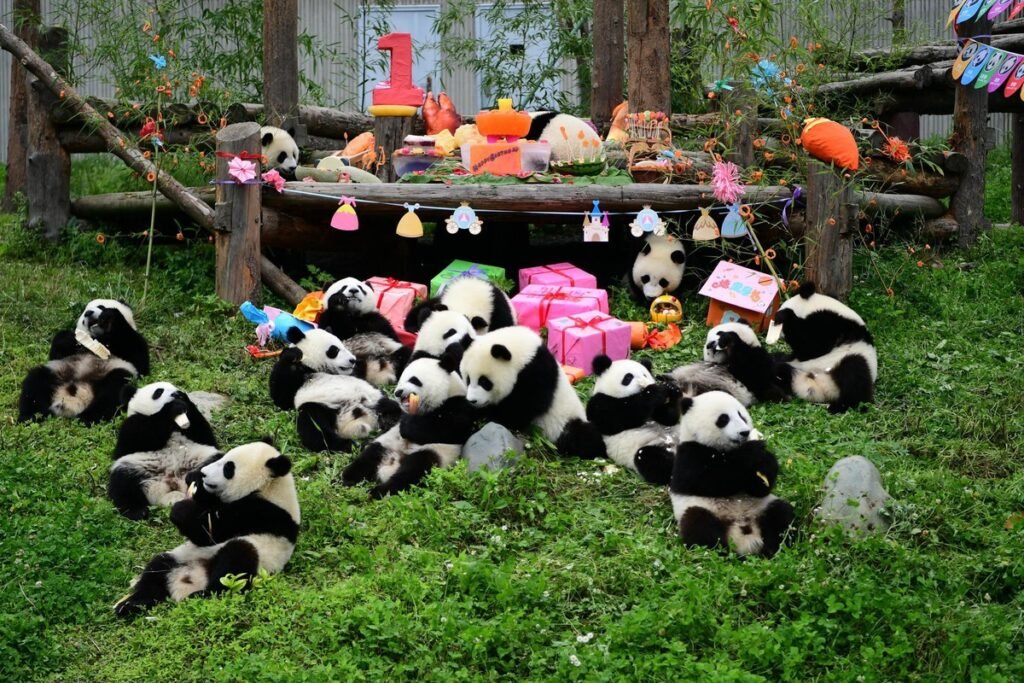
The best place in the world to see giant pandas! Arrive before 8:30 AM when pandas are most active (feeding time). Allow 3-4 hours for your visit. Tickets: ¥55, open 7:30 AM-6:00 PM.
- Jinli Ancient Street
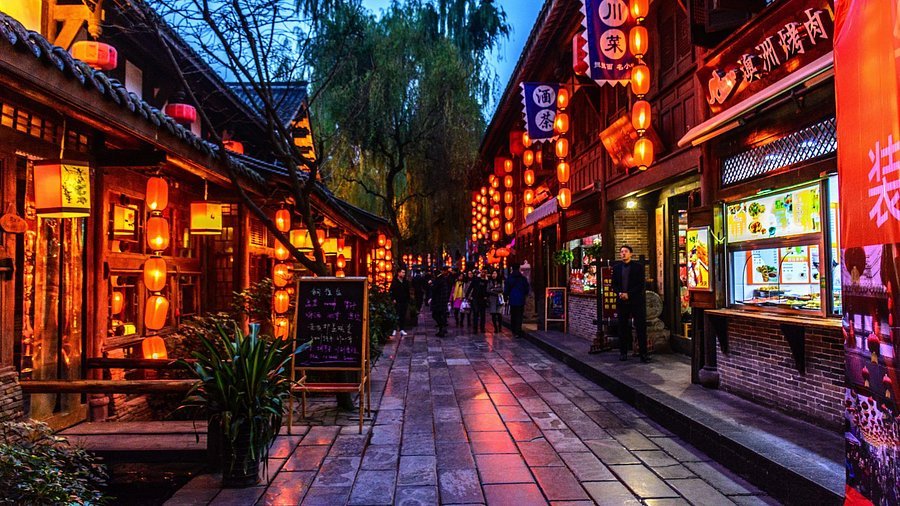
A charming pedestrian street with traditional architecture, shops, restaurants, and street performers. Best visited in the evening when lanterns are lit. Free admission, adjacent to Wuhou Temple.
- Wuhou Temple
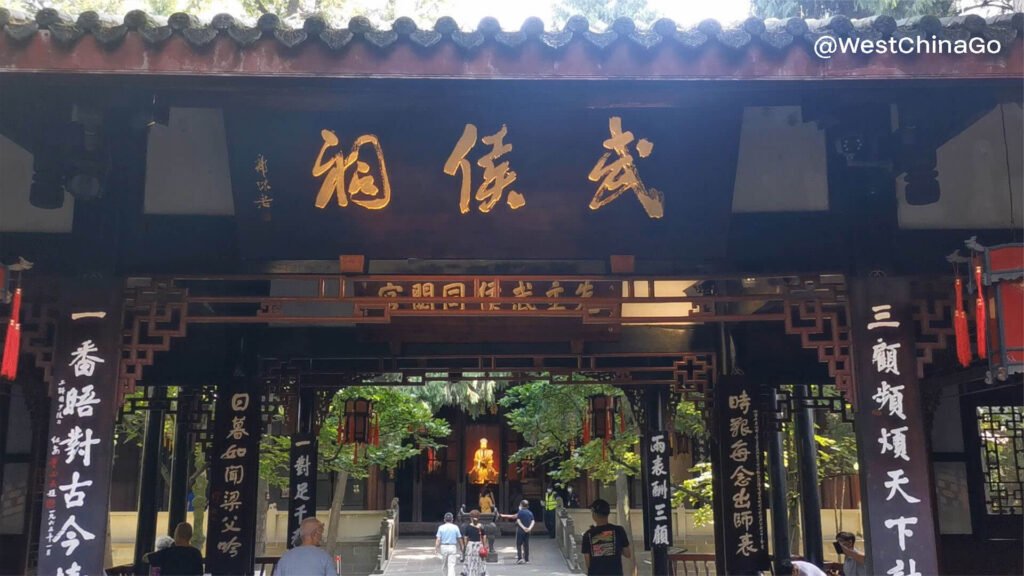
Dedicated to Zhuge Liang, a famous ancient Chinese strategist. Features beautiful gardens and historical buildings. Tickets: ¥50.
- People’s Park
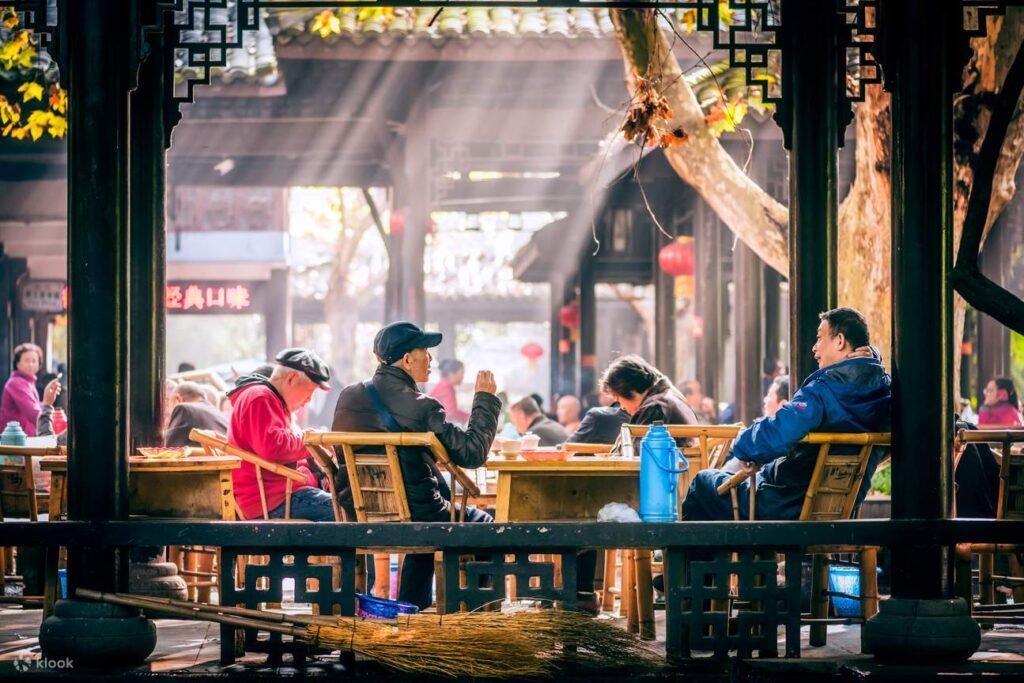
Experience authentic local Chengdu life. Join locals for tea in the traditional tea house and try the famous “ear cleaning” service – a unique and relaxing Chengdu tradition. Free admission.
- Wide and Narrow Alleys
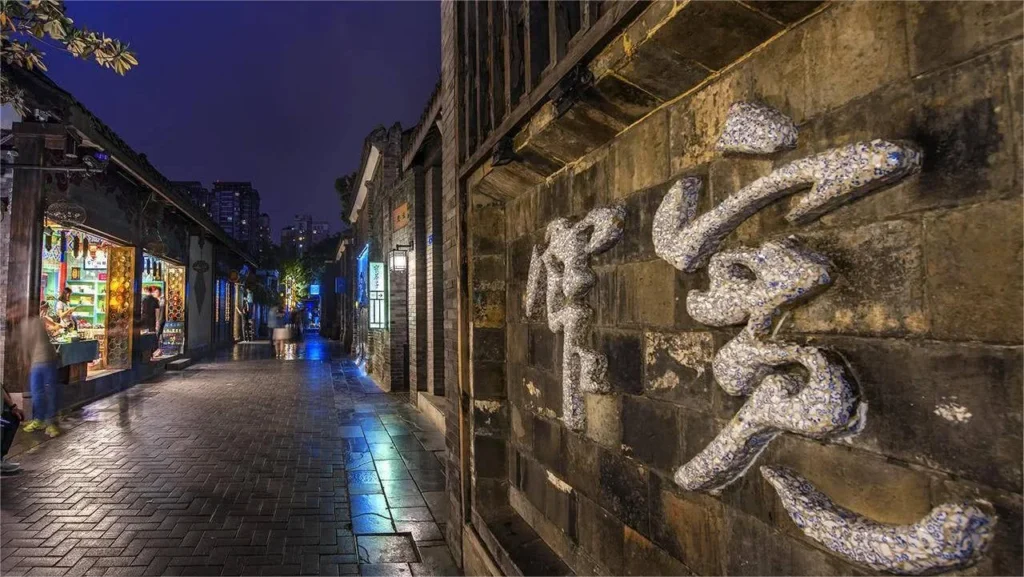
A restored historic area with traditional courtyard houses, boutique shops, cafes, and restaurants. Great for strolling and taking photos. Free admission.
Chengdu Food Guide
Chengdu cuisine is slightly less spicy than Chongqing’s but equally delicious and varied.
Signature dishes
- Mapo Tofu
- Kung Pao Chicken
- Sichuan Boiled Pork (Shui Zhu Rou Pian)
- Dan Dan Noodles
- Tanghulu – candied fruit on a stick
English-friendly restaurants
- Chen Mapo Tofu: Famous for their signature mapo tofu with multiple locations
- Sichuan Cuisine Museum: Learn to cook Sichuan food with English-speaking instructors
- Wide and Narrow Alleys: Many restaurants with English menus and picture cards
Practical Chengdu Info
Transportation:
- Metro: Modern system with English signs and announcements
- Bicycles: Chengdu is very bike-friendly (use Mobike or Ofo apps)
- High-speed train to Chongqing: 1.5 hours, ¥150-200
Accommodation:
- Best areas: Chunxi Road or Jinli Street
- Mid-range: ¥250-500/night for a 3-4 star hotel
- Budget: ¥120-250/night for hostels and guesthouses
Amazing Surrounding Attractions
Both cities offer incredible day trips and longer excursions to natural and cultural wonders.
From Chongqing
- Wulong Karst National Geology Park: A UNESCO World Heritage Site with stunning natural scenery. Highlights include the Three Natural Bridges (featured in Transformers: Age of Extinction) and Furong Cave. 2.5 hours by train from Chongqing. Book a day tour with an English-speaking guide for the best experience.
From Chengdu
- Dujiangyan Irrigation System: A 2,200-year-old engineering marvel that still works today, preventing floods and irrigating the Sichuan plain. UNESCO World Heritage Site. 1 hour by high-speed train from Chengdu. Tickets: ¥80.
- Qingcheng Mountain: One of China’s most sacred Taoist mountains, known for its lush forests, ancient temples, and fresh mountain air. Combine with Dujiangyan for a full day trip. Tickets: ¥80.
- Leshan Giant Buddha: The largest stone Buddha statue in the world (71 meters tall), carved into a cliff face over 1,300 years ago. UNESCO World Heritage Site. 1 hour by high-speed train from Chengdu. Tickets: ¥80.
- Jiuzhaigou National Park: One of China’s most beautiful natural attractions, famous for its crystal-clear turquoise lakes and waterfalls. Requires a 2-day trip (1 hour flight from Chengdu).
Essential Travel Tips for International Visitors
Before You Go
- Visa: Most nationalities need a visa to visit China. Apply at least 1 month in advance.
- Currency: Chinese Yuan . Cash is still widely used, especially in small shops and restaurants.
- Mobile Payment: Alipay and WeChat Pay are accepted almost everywhere. Download the apps and add your international credit card.
- Internet: Google, Facebook, Instagram, and Twitter are blocked in China. Download a reliable VPN before your trip.
- Language: Download Google Translate with the offline Chinese language pack.
During Your Trip
- Tipping: Tipping is not customary in China and may be refused.
- Etiquette:
- Remove shoes when entering someone’s home
- Don’t stick chopsticks upright in your rice bowl
- Wait for the host to start eating first
- Safety: China is very safe for tourists.
- Water: Don’t drink tap water. Buy bottled water (¥2-3 per bottle).
Final Notes
Chongqing and Chengdu offer an incredible mix of natural beauty, rich culture, and delicious food. The people are friendly, the prices are reasonable, and the experiences are unforgettable.
Don’t be afraid to try new things – even if you can’t speak Chinese, a smile and a pointing finger will get you a long way. Enjoy your trip to China’s amazing southwest!