Introduction
Beijing, the capital of China, is a magnificent blend of ancient history and cutting-edge modernity. With a 3,000-year history of city-building and 800 years as an imperial capital, it has witnessed the rise and fall of 13 dynasties, leaving behind countless cultural relics and historical sites. As a global metropolis, it also boasts world-class skyscrapers, vibrant neighborhoods, and a diverse culinary scene. From the grand Forbidden City to the majestic Great Wall, from the traditional hutongs to the trendy Sanlitun, Beijing offers an unforgettable journey that connects the past and the present for every international traveler.
This guide is tailored specifically for foreign visitors, providing practical tips, English-friendly recommendations, and essential information to help you explore this amazing city at your own pace.
Best Time to Visit
- March-May & September-November: The most ideal time to visit. The weather is mild (10-25°C) with clear skies and beautiful scenery—cherry blossoms in spring and red maple leaves in autumn add extra charm to the city.
- Summer (June-August): Hot and humid (25-38°C), with occasional heavy rains. It’s the peak tourist season, so popular attractions will be crowded.
- Winter (December-February): Cold and dry (0-10°C), but with fewer crowds and lower prices. The Forbidden City and the Great Wall covered in snow create a stunning, fairy-tale-like scene.
- Avoid: National Day (October 1-7) and Chinese New Year (February 10-17, 2026), as the city will be extremely crowded with long lines at all attractions.
Must-See Attractions
The Palace Museum (Forbidden City)
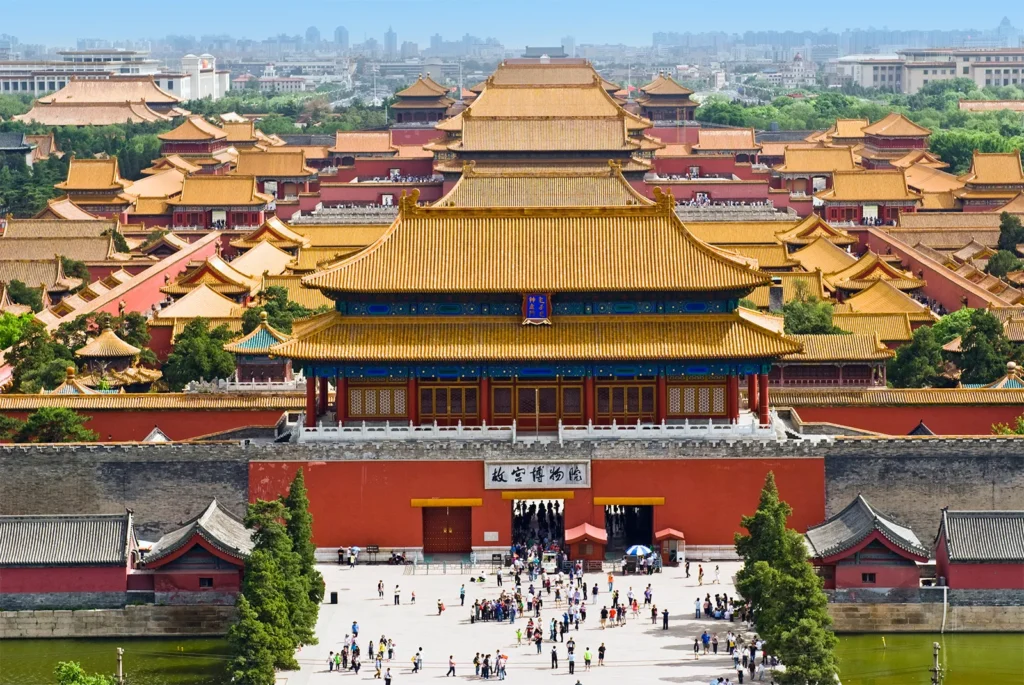
The former imperial palace of the Ming and Qing dynasties, a UNESCO World Heritage Site and the largest and best-preserved ancient wooden palace complex in the world. It was home to 24 emperors over 500 years.
- Pro tips: Book tickets online 7 days in advance (via the official website or WeChat Mini Program) — on-site tickets are not available. Bring your original passport for entry. Visit the less-crowded western and eastern palaces first to avoid the crowds in the central area.
- Tickets: ¥60 (March-November, peak season), ¥40 (December-February, off season). Closed every Monday (except public holidays).
- Opening hours: 8:30 AM-5:00 PM (peak season), 8:30 AM-4:30 PM (off season).
- Getting there: Metro Line 1 to Tiananmen East or Tiananmen West Station, then a 10-minute walk.
Mutianyu Great Wall
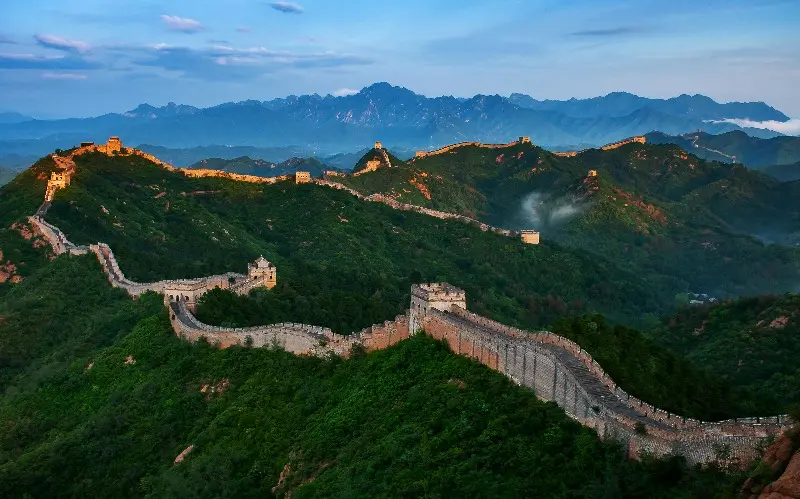
One of the most beautiful and well-preserved sections of the Great Wall, known for its gentle slopes, lush greenery, and fewer crowds than Badaling. It’s especially popular among international travelers for its English signage and convenient transportation.
- Pro tips: Take a cable car to the top (¥140 one-way) for easy access, and take the toboggan down (¥100) for a fun experience. Book a private tour with an English-speaking driver to avoid the hassle of public transportation.
- Tickets: ¥45 (peak season), ¥40 (off season).
- Opening hours: 7:30 AM-5:30 PM (peak season), 7:30 AM-5:00 PM (off season).
- Getting there: 1.5 hours by private car or shuttle bus from downtown Beijing; 30 minutes by high-speed train to Huairou North Station, then a 20-minute taxi ride.
Tiananmen Square
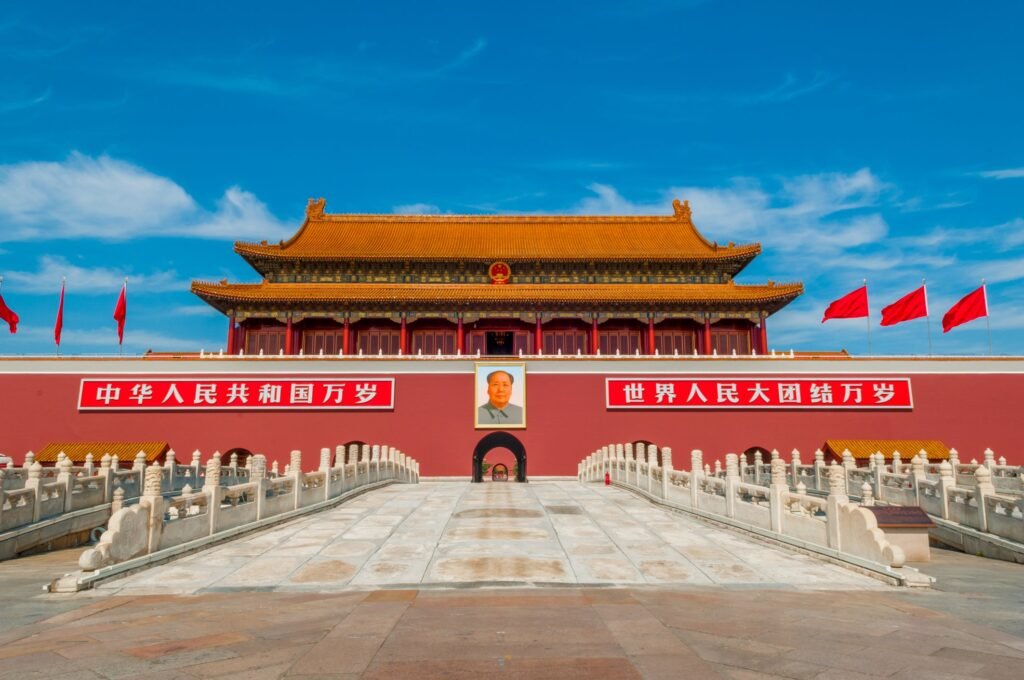
The largest public square in the world, located in the heart of Beijing. It’s surrounded by iconic landmarks: the Forbidden City to the north, the Great Hall of the People to the west, and the Mausoleum of Mao Zedong to the south.
- Pro tips: Arrive early (before 8 AM) to avoid crowds. You need to go through security checks—bring your passport. The flag-raising ceremony is held at sunrise (check the schedule online in advance).
- Admission: Free.
- Opening hours: 5:00 AM-10:00 PM (varies slightly by season).
- Getting there: Metro Line 1 to Tiananmen East or Tiananmen West Station.
Summer Palace
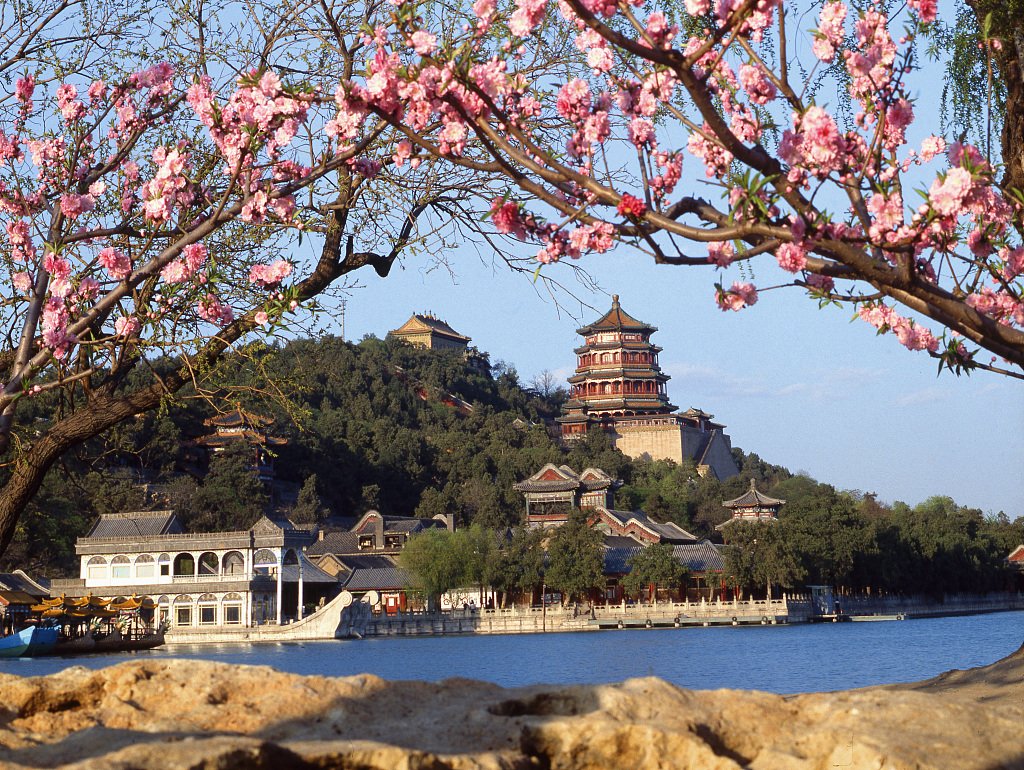
A UNESCO World Heritage Site and the largest imperial garden in China, known as the “Garden of Gardens.” It combines Chinese landscape gardening with imperial grandeur, featuring a large lake, bridges, pavilions, and corridors.
- Pro tips: Rent a boat on Kunming Lake (¥60-100 per hour) to enjoy the scenery from the water. Visit in the late afternoon for beautiful sunset views over the lake.
- Tickets: ¥30 (peak season, basic ticket), ¥60 (peak season, combined ticket with all scenic spots); ¥20 (off season, basic ticket), ¥50 (off season, combined ticket).
- Opening hours: 6:30 AM-6:00 PM (peak season), 7:00 AM-5:00 PM (off season).
- Getting there: Metro Line 4 to Summer Palace Station.
Temple of Heaven
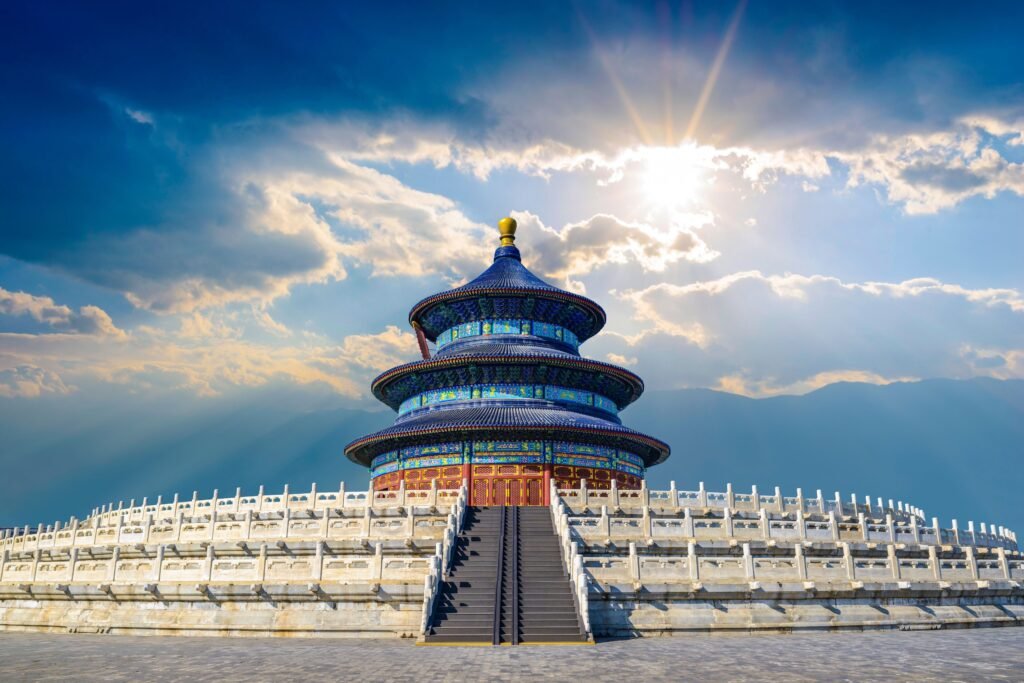
A UNESCO World Heritage Site built for emperors to worship heaven and pray for a good harvest. It features unique architectural styles that reflect ancient Chinese philosophy of “harmony between heaven and man.”
- Pro tips: Watch locals practice tai chi, calligraphy, and folk music in the morning—it’s a great way to experience authentic Beijing life.
- Tickets: ¥15 (peak season, basic ticket), ¥34 (peak season, combined ticket); ¥10 (off season, basic ticket), ¥28 (off season, combined ticket).
- Opening hours: 6:00 AM-9:30 PM (peak season), 6:30 AM-8:00 PM (off season).
- Getting there: Metro Line 5 to Temple of Heaven East Station.
Nanluoguxiang Hutong
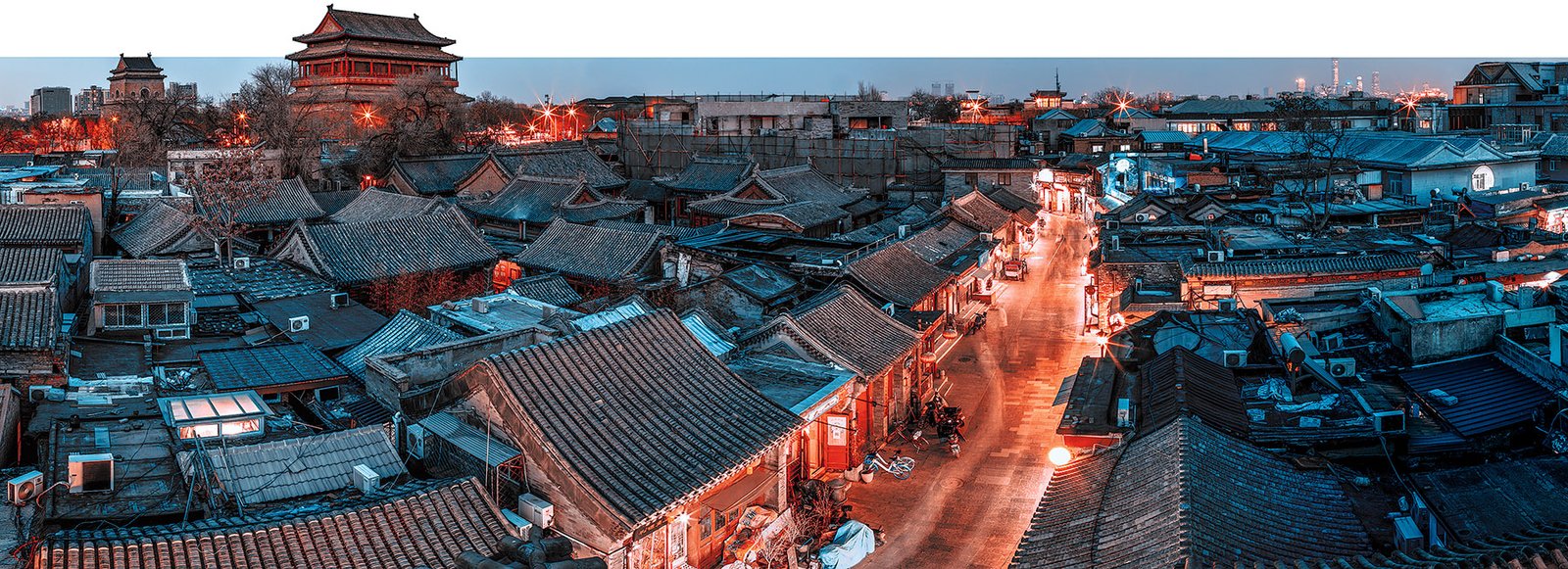
A historic hutong (alleyway) with a history of over 800 years, blending traditional Beijing architecture with trendy shops, cafes, and street food stalls. It’s the perfect place to experience old Beijing’s alley culture.
- Pro tips: Wander the side alleys to avoid the crowds—they are full of hidden gems like traditional courtyard houses and small galleries.
- Admission: Free.
- Opening hours: 24 hours (shops and restaurants are usually open 10:00 AM-10:00 PM).
- Getting there: Metro Line 6 to Nanluoguxiang Station.
798 Art District
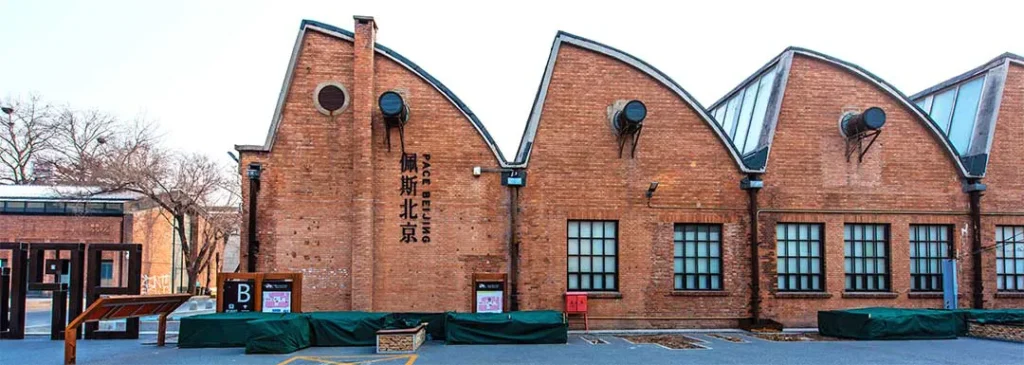
A former factory area transformed into a vibrant art district, featuring galleries, art studios, design shops, and street art. It’s a hub for contemporary art and a favorite spot for photographers and art lovers.
- Pro tips: Visit on weekends for art exhibitions and live performances. Many galleries have English descriptions of their works.
- Admission: Free (some galleries may charge for special exhibitions).
- Opening hours: 10:00 AM-6:00 PM (most shops and galleries).
- Getting there: Metro Line 14 to Jiangtai Station, then a 10-minute taxi ride.
Bird’s Nest & Water Cube
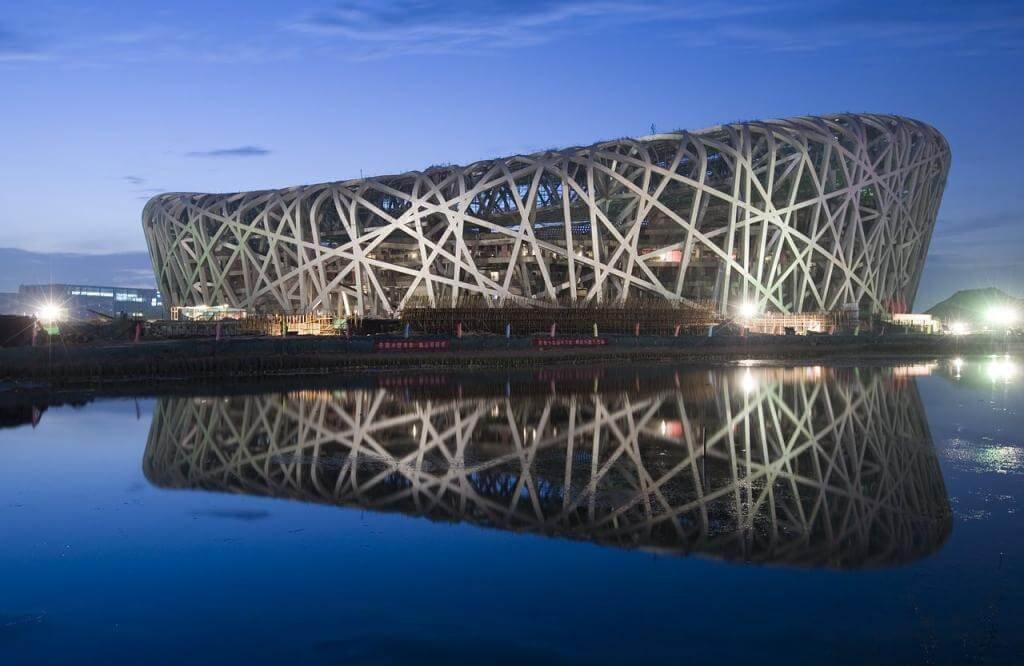
Iconic landmarks built for the 2008 Beijing Olympics. The Bird’s Nest (National Stadium) is known for its unique steel structure, while the Water Cube (National Aquatics Center) features a stunning blue bubble-like exterior.
- Pro tips: Visit in the evening when the buildings are lit up—they look even more spectacular.
- Tickets: Bird’s Nest ¥50, Water Cube ¥30.
- Opening hours: 9:00 AM-9:00 PM.
- Getting there: Metro Line 8 or 15 to Olympic Park Station.
National Museum of China
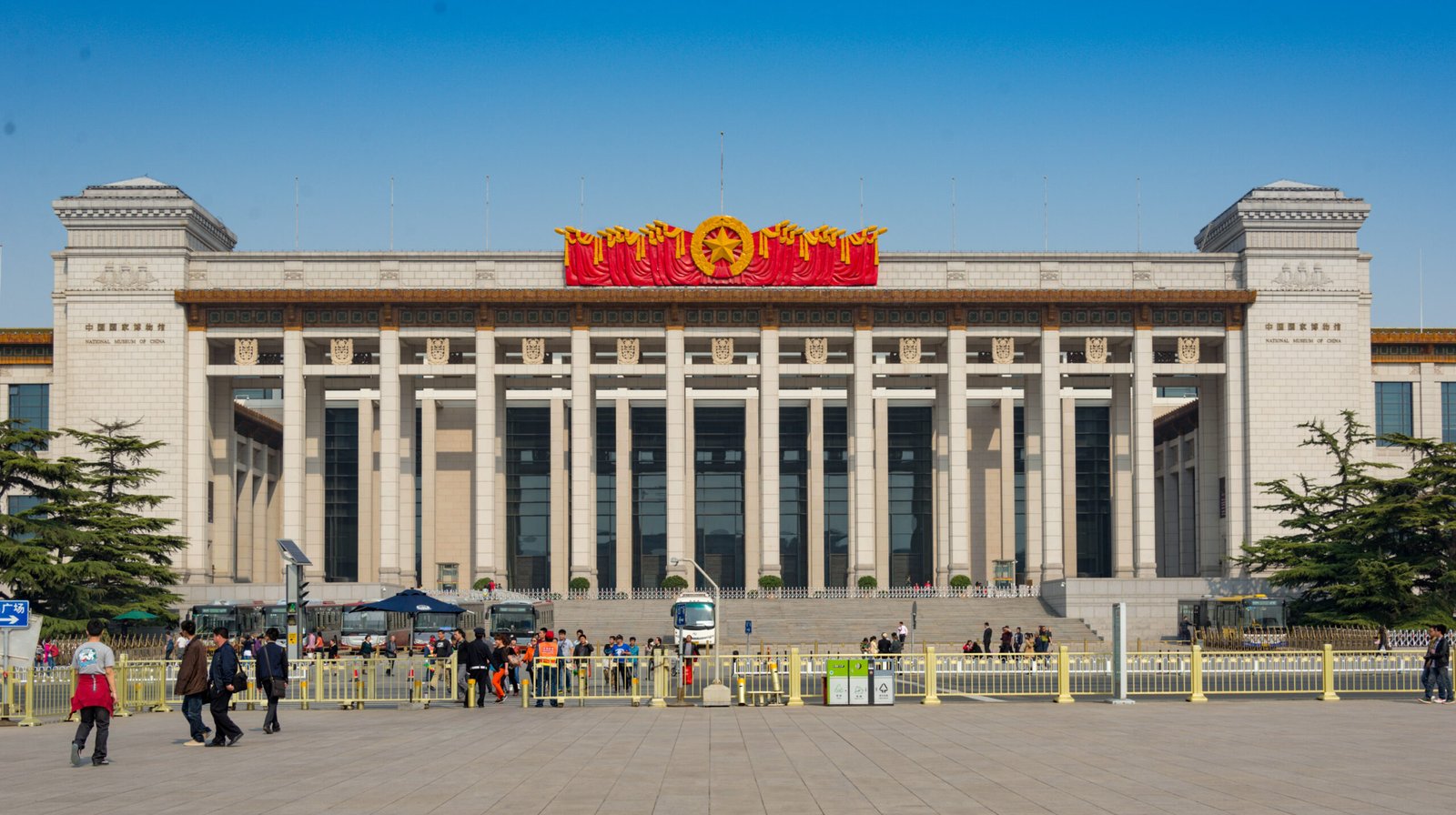
One of the largest museums in the world, housing over 1.43 million cultural relics spanning 5,000 years of Chinese history. It’s a must-visit for anyone interested in Chinese culture and history.
- Pro tips: Book tickets online 3-7 days in advance (free admission). Rent an English audio guide (¥40) to learn more about the relics. All exhibitions have English descriptions.
- Admission: Free (requires advance booking).
- Opening hours: 9:00 AM-5:00 PM (last entry 4:00 PM), closed on Mondays (except public holidays).
- Getting there: Metro Line 1 to Tiananmen East Station.
Beijing Food Guide
Beijing’s cuisine, known as “Jingwei,” is a delicious blend of imperial dishes, folk snacks, and influences from other regions of China. It’s famous for its rich flavors and unique cooking methods.
Signature Dishes
- Peking Duck: The most famous Beijing dish—crispy skin, tender meat, wrapped in thin pancakes with scallions, cucumber, and sweet bean sauce. A must-try for every visitor.
- Zhajiangmian: Noodles with soybean paste, served with shredded cucumber, carrots, and bean sprouts. A simple but delicious local staple.
- Hot Pot (Tongguo): Traditional copper pot hot pot with mutton slices, dipped in sesame sauce. Perfect for cold winter days.
- Douzhi & Jiaoquan: A traditional breakfast—fermented soybean milk (douzhi) with fried dough rings (jiaoquan). It has a unique sour taste, so it’s an acquired taste.
- Lvdagunr: A sweet snack made of glutinous rice, red bean paste, and soybean flour. Soft and chewy, with a sweet flavor.
English-Friendly Restaurants
- Quanjude Roast Duck: A world-famous chain serving authentic Peking duck. They have English menus and picture cards for ordering. Multiple locations in downtown Beijing.
- Dadong Roast Duck: A high-end Peking duck restaurant with a modern twist. English menus and excellent service, perfect for a special meal.
- Blue Frog (Sanlitun): A popular Western-style restaurant frequented by foreigners. It serves American-style food with English menus, and the atmosphere is relaxed and casual.
- Schindler’s Gasthaus (German Restaurant): A classic German restaurant near the embassy district, with authentic German pork knuckle and beer. English menus are available, and the staff can speak basic English.
- Nanluoguxiang Hutong: Many street food vendors have picture signs, making it easy to order local snacks like stinky tofu and sugar-fried chestnuts.
Practical Beijing Info
Transportation
- Metro: Beijing has an extensive metro system with 29 lines, all with English signs and announcements. Fares range from ¥2 to ¥8, depending on the distance. You can use Alipay, WeChat Pay, or a metro card to pay. Major lines like Line 1, Line 2, and Line 4 cover most popular attractions.
- Didi (Chinese Uber): Download the app and add your international credit card. The app has an English interface, making it easy to book rides. Short city rides cost ¥10-30.
- Taxis: Mostly red or blue, with a starting fare of ¥13 for the first 3 km, then ¥2.3 per additional km. Most drivers do not speak English—show your destination in Chinese (you can get the Chinese name of attractions from this guide).
- Airport Transportation: Beijing Capital International Airport (PEK) is 30-40 minutes from downtown by taxi/Didi (¥100-150) or 1 hour by metro Line Airport Express. Beijing Daxing International Airport (PKX) is 1 hour from downtown by high-speed train or taxi.
Accommodation
- Best Areas: Tiananmen/Bell Tower (central location, close to most attractions), Wangfujing (shopping and dining hub), Sanlitun (trendy area with foreign-friendly restaurants and bars), or Summer Palace (quieter, close to nature).
- Mid-range: ¥300-600/night for a 3-4 star hotel (e.g., Holiday Inn, Hanting).
- Budget: ¥150-300/night for hostels and guesthouses (many have English-speaking staff, e.g., The Great Wall Hostel).
- Luxury: ¥1000+/night for 5-star hotels (e.g., The Ritz-Carlton, Waldorf Astoria Hutong Courtyard), some of which offer views of the Forbidden City or traditional hutongs.
Amazing Surrounding Attractions
Beijing’s surrounding areas offer stunning natural scenery and rich cultural heritage, perfect for day trips or short excursions.
Gubei Water Town
A charming water town at the foot of the Simatai Great Wall, featuring traditional Chinese architecture, canals, and lanterns. Its night view is particularly breathtaking, making it a popular spot for photography.
- Getting there: 2 hours by private car or shuttle bus from downtown Beijing.
- Tickets: ¥140 (day ticket), ¥150 (night ticket).
- Recommended: Spend a night here to enjoy the quiet town and the Great Wall at sunrise.
Ming Tombs
A UNESCO World Heritage Site, the mausoleums of 13 emperors of the Ming Dynasty. The most famous is the Changling Tomb (the largest) and the Dingling Tomb (the only one open to the public).
- Getting there: 1 hour by metro Line 13 to Ming Tombs Station, then a short taxi ride.
- Tickets: ¥130 (combined ticket for all tombs).
- Opening hours: 8:30 AM-5:30 PM (peak season), 8:30 AM-5:00 PM (off season).
Fragrant Hills Park (Xiangshan Park)
A famous scenic park known for its red maple leaves in autumn. It also features ancient temples and pavilions, offering beautiful views of Beijing.
- Getting there: Metro Line 10 to Fragrant Hills Station, then a 15-minute walk.
- Tickets: ¥10 (peak season), ¥5 (off season).
- Best time: Late October to early November for the maple leaves.
Essential Travel Tips for International Visitors
Before You Go
- Visa: Most nationalities need a visa to visit China. Apply at least 1 month in advance at the Chinese embassy or consulate in your country.
- Currency: Chinese Yuan (CNY/¥). Cash is still widely used, especially in small shops and street food stalls. ATMs are available everywhere, and most accept international credit cards (Visa, Mastercard).
- Mobile Payment: Alipay and WeChat Pay are accepted almost everywhere (restaurants, shops, taxis, metro). Download the apps and add your international credit card to use them.
- Internet: Google, Facebook, Instagram, and Twitter are blocked in China. Download a reliable VPN before your trip to access these apps.
- Language: Download Google Translate with the offline Chinese language pack. Most signs in tourist areas have English, but learning a few basic Chinese phrases (e.g., hello, thank you, how much) will be helpful.
During Your Trip
- Tipping: Tipping is not customary in China and may be refused. Exception: high-end hotels or restaurants may accept tips, but it’s not required.
- Etiquette:
- Remove shoes when entering someone’s home or a traditional courtyard house.
- Don’t stick chopsticks upright in your rice bowl (it’s considered disrespectful).
- Wait for the host to start eating first when dining with locals.
- Safety: China is very safe for tourists. Petty crimes like pickpocketing are rare, but keep an eye on your belongings in crowded areas (e.g., Tiananmen Square, Nanluoguxiang).
- Water: Don’t drink tap water. Buy bottled water (¥2-3 per bottle) from convenience stores (7-Eleven, Family Mart) which are everywhere.
- Tickets: Many popular attractions (e.g., The Palace Museum, National Museum) require advance online booking, especially during peak season. Book early to avoid disappointment.
Final Notes
Beijing is a city where ancient history and modern life coexist in perfect harmony. Whether you’re marveling at the grandeur of the Forbidden City, hiking the Great Wall, savoring a plate of Peking duck, or wandering the trendy streets of Sanlitun, you’ll find something to love about this incredible city.
The people of Beijing are friendly and welcoming, and even if you can’t speak Chinese, a smile and a little patience will go a long way. Embrace the culture, try new things, and enjoy your journey through this amazing ancient capital and modern metropolis!